



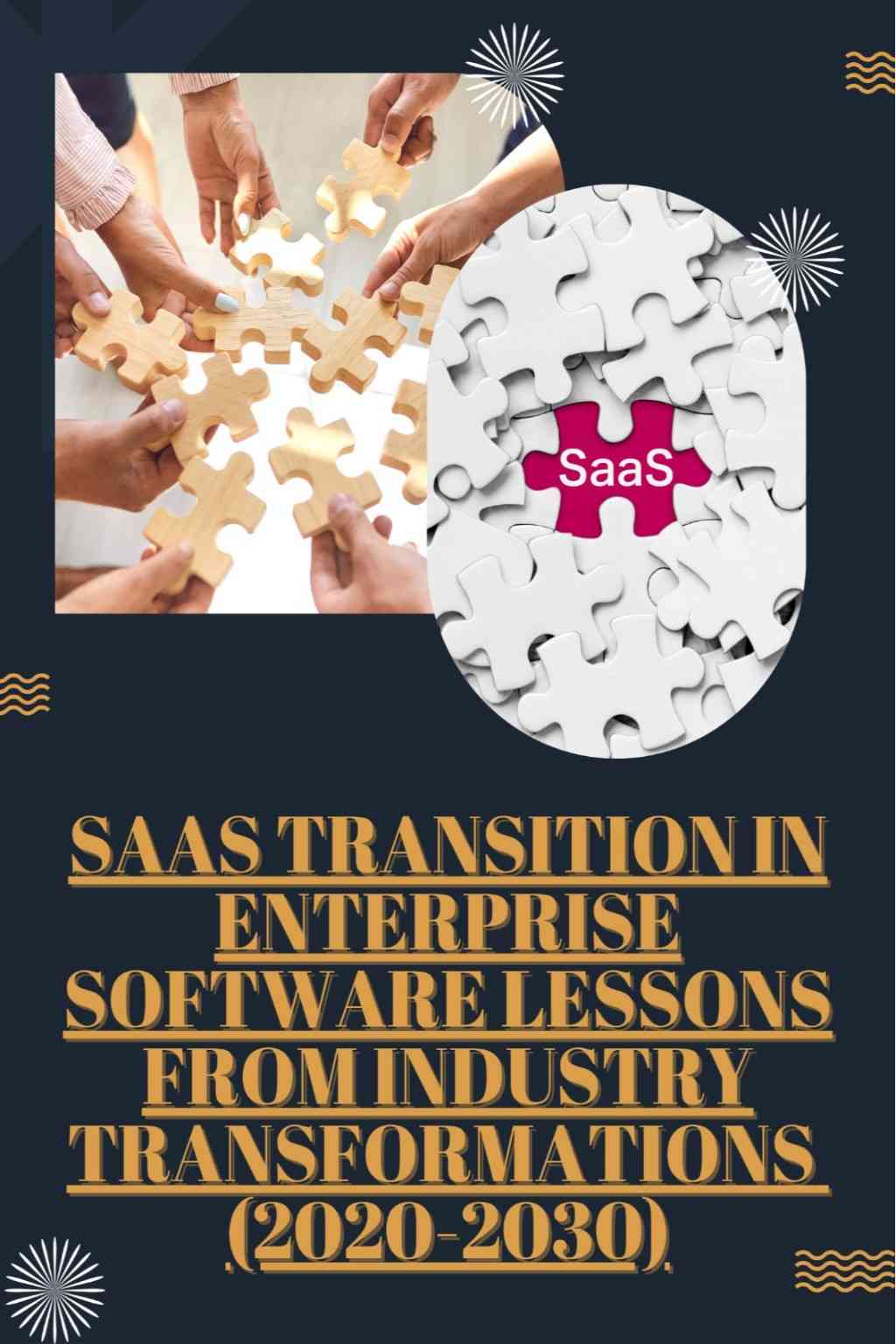
SaaS Transition in Enterprise Software Lessons from Industry Transformations (2020-2030)
$999.00
1. Introduction to SaaS Transitions in Enterprise Software
-
- Definition and characteristics of SaaS models
- Drivers for traditional software companies to transition to SaaS
- Overview of typical challenges and opportunities
2. Circumstances Driving SaaS Transitions
a. Market Pressures
-
- Changing customer preferences and expectations
- Competition from born-in-the-cloud companies
- Investor expectations and market valuations
Technological Shifts
-
- Cloud infrastructure maturity
- Advancements in containerization and microservices
- Improved security and compliance capabilities in cloud environments
c. Business Model Evolution
-
- Shift from perpetual licensing to subscription-based models
- Opportunities for recurring revenue and customer retention
- Potential for data-driven insights and value-added services
3. Length of Transition
a. Phases of SaaS Transition
-
- Initial planning and strategy development
- Product re-architecture and development
- Go-to-market strategy adjustment
- Organizational and cultural transformation
b. Timelines for Different Aspects
-
- Technical transformation (typically 2-5 years)
- Business model transition (often 3-7 years)
- Full organizational and cultural shift (potentially 5-10 years)
c. Factors Affecting Transition Speed
-
- Size and complexity of existing product portfolio
- Available resources and investment
- Market readiness and customer adoption rates
- Regulatory and compliance considerations
4. Key Levers in SaaS Transitions
a. Product and Technology
-
- Re-architecting for cloud-native deployment
- Implementing continuous delivery and DevOps practices
- Ensuring scalability, multi-tenancy, and security
b. Business Model and Pricing
-
- Designing new pricing and packaging models
- Managing revenue recognition changes
- Balancing existing license revenue with new SaaS revenue
c. Sales and Marketing
-
- Retraining sales teams for subscription-based selling
- Adjusting compensation models
- Developing new marketing strategies for SaaS offerings
d. Customer Success and Support
-
- Building customer success teams
- Implementing proactive monitoring and engagement
- Focusing on customer retention and upselling
e. Organizational Structure and Culture
-
- Realigning teams around product-centric models
- Fostering a culture of agility and continuous improvement
- Managing change and addressing resistance
f. Financial Management
-
- Adapting to new revenue recognition standards
- Managing cash flow during the transition
- Adjusting financial metrics and KPIs
5. Challenges in SaaS Transitions
-
- Balancing support for existing customers with new SaaS development
- Managing the “J-curve” effect on revenue and profitability
- Addressing potential cannibalization of existing product lines
- Overcoming organizational inertia and resistance to change
6. Success Factors and Best Practices
-
- Clear vision and commitment from leadership
- Transparent communication with stakeholders
- Phased approach to transition
- Investment in employee training and development
- Focus on customer experience and value delivery
7. Impact on Stakeholders
-
- Customers: Changes in product delivery and support models
- Employees: New skill requirements and cultural shifts
- Partners: Evolving ecosystem and channel relationships
- Investors: Short-term challenges vs. long-term benefits
8. Future Trends in SaaS Transitions (2025-2030)
-
- Acceleration of transition timelines
- Increased focus on AI and machine learning integration
- Evolution towards platform-as-a-service (PaaS) models
- Emergence of industry-specific SaaS solutions
9. Case Studies (Generalized)
-
- Examples of successful SaaS transitions in enterprise software
- Lessons learned from challenging transitions
- Innovative approaches to managing the transition process
10. Conclusion
-
- Key takeaways for companies considering SaaS transitions
- Critical success factors and potential pitfalls
- Long-term implications for the enterprise software industry
11. Appendices
-
- Glossary of SaaS and cloud transition terms
- Timeline of major industry SaaS transitions
- Checklist for assessing SaaS transition readiness
#SaaSTransformation #CloudTransition #EnterpriseSoftware #DigitalTransformation #BusinessModelShift #SubscriptionRevenue #CloudInfrastructure #DevOps #CustomerSuccess #MarketTrends #AIIntegration #Microservices #PlatformAsAService #SaaSChallenges #FutureOfSaaS #LeadershipStrategy #RevenueRecognition
Description
Introduction to SaaS Transitions in Enterprise Software
Modern businesses use a SaaS strategy to maintain their market position in the rapidly evolving information technology sector. Executives who want to lead digital transformation initiatives must understand SaaS models together with their particular characteristics. The software industry moves toward SaaS because market forces push firms to adopt this model and customers want it and it generates continuous revenue streams.
Key Opportunities and Challenges:
- SaaS implementation helps businesses optimize their daily operations and create fresh income opportunities.
- Organizations face technical, financial, and cultural challenges during the transition.
- Strategic corporate market research provides essential direction that leads to successful SaaS implementation.
Circumstances Driving SaaS Transitions
a. Market Pressures
- Customer software delivery preferences have evolved toward subscription models.
- Born-in-the-cloud companies create competitive forces that challenge existing market players.
- Investor expectations create two main factors that influence company operations: Capital Expenditure and growth.
- The overview of the semiconductor industry overview and the GPU Roadmap provides essential knowledge to technology-driven businesses like NVIDIA.
b. Technological Shifts
- Mature cloud infrastructure and reliable Cloud Providers enable SaaS adoption.
- The development of containerization technology has advanced alongside microservices architecture and scalable database systems which now include top best vector database solutions.
- The system requires ongoing security measures and compliance monitoring and AI Consultation for critical operations.
c. Business Model Evolution
- The software industry has transitioned its licensing model from perpetual licenses to subscription-based models.
- The company obtains ongoing revenue streams while gaining a deeper understanding of its corporate market through this approach.
- The advanced information technology industry analysis provides data-driven services that help companies keep their customers.
Length of SaaS Transition
a. Phases of SaaS Transition
- The process begins with creating a detailed plan for implementing a SaaS strategy.
- Product re-architecture for cloud deployment.
- Companies need to change their market entry methods to reach new customers.
- Organizational and cultural transformation.
b. Timelines for Different Aspects
- The technical transformation process usually takes between two and five years to complete.
- Business model transition: 3–7 years
- The process of complete organizational transformation takes between five to ten years to accomplish.
c. Factors Affecting Transition Speed
- The transition speed depends on the amount and complexity of the product portfolio.
- The organization needs to have available resources and investments, and Capital Expenditure.
Key Levers in SaaS Transitions
a. Product and Technology
- Cloud-native re-architecture
- Continuous delivery and DevOps practices
- Scalability, multi-tenancy, and security
b. Business Model and Pricing
- New pricing and packaging for SaaS
- Balancing legacy revenue and SaaS revenue
c. Sales and Marketing
- Retraining sales teams for subscription models
- Adjusting incentives and compensation
d. Customer Success and Support
- Building dedicated success teams
- Proactive engagement and retention focus
e. Organizational Structure and Culture
- Aligning teams around product-centric models
- Fostering agility and continuous improvement
f. Financial Management
- Adapting to new revenue recognition standards
- Managing cash flow during the SaaS transition
Challenges in SaaS Transitions
- Balancing existing customer support with new SaaS development
- Managing the “J-curve” effect on revenue and profitability
- Avoiding cannibalization of legacy products
- Overcoming organizational inertia
Success Factors and Best Practices
- Clear leadership vision for SaaS strategy
- The organization needs to keep its stakeholders up to date about the organization’s latest developments.
- The business should adopt a step-by-step approach that incorporates market research at every stage.
- Employee training and development
- The organization needs to dedicate its resources to delivering outstanding customer experiences while providing valuable services.
Impact on Stakeholders
- Customers: Changes in product delivery and support
- Employees: New skills and cultural adaptation
- Partners: Evolving ecosystem and channel relationships
- Investors: Short-term challenges vs. long-term benefits
Future Trends in SaaS Transitions (2025–2030)
- Faster transition timelines across enterprises
- Increased AI and machine learning integration (AI Consultation)
- Shift towards platform-as-a-service (PaaS) models
- Rise of industry-specific SaaS solutions
- Insights for semiconductor industries in USA and NVIDIA 2050 planning
Case Studies (Generalized)
- Successful enterprise SaaS strategy examples
- Lessons from challenging transitions
- Innovative approaches to managing SaaS transitions
Conclusion
- Key Takeaways: Strategic SaaS strategy drives growth, efficiency, and innovation
- Critical success factors: leadership, planning, and phased adoption
- Long-term impact on the enterprise software and semiconductor industry market size